Now Reading: Top West African Women Leaders Who Are Shaping the Future
- 01
Top West African Women Leaders Who Are Shaping the Future

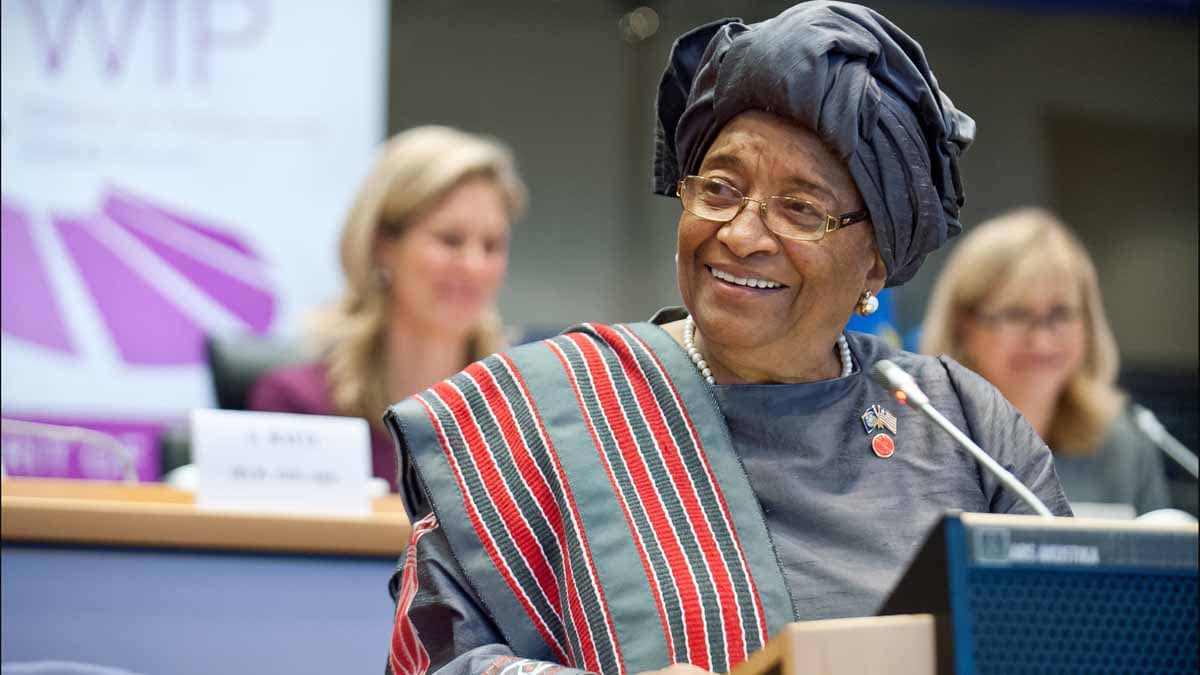
From global finance leaders to heads of state, West African women are redefining power and influence. Across the region, women are stepping into leadership roles that shape not only national policies but also global conversations in trade, governance, and development.
What makes this shift particularly significant is the diversity of influence—ranging from economic reform and international diplomacy to human rights advocacy and corporate leadership. These women are not just participating in leadership; they are driving transformation, challenging long-standing systems, and setting new standards for future generations.
As Africa’s global presence continues to grow, these leaders are playing a central role in positioning West Africa as a hub of innovation, resilience, and strategic influence.
Their influence spans multiple sectors, including global finance, governance, business, and human rights—making them key drivers of transformation across the region.
Here are the top West African women leaders shaping the future right now.
Who Are the Top West African Women Leaders?
The top West African women leaders include Ngozi Okonjo-Iweala, Ellen Johnson Sirleaf, Fatou Bensouda, and Amina J. Mohammed. These women are shaping global finance, governance, and international diplomacy.
What Makes West African Women Leaders Influential?
- Political leadership and governance
- Global finance and economic reform
- International law and diplomacy
- Social impact and advocacy
1. Ngozi Okonjo-Iweala (Nigeria)
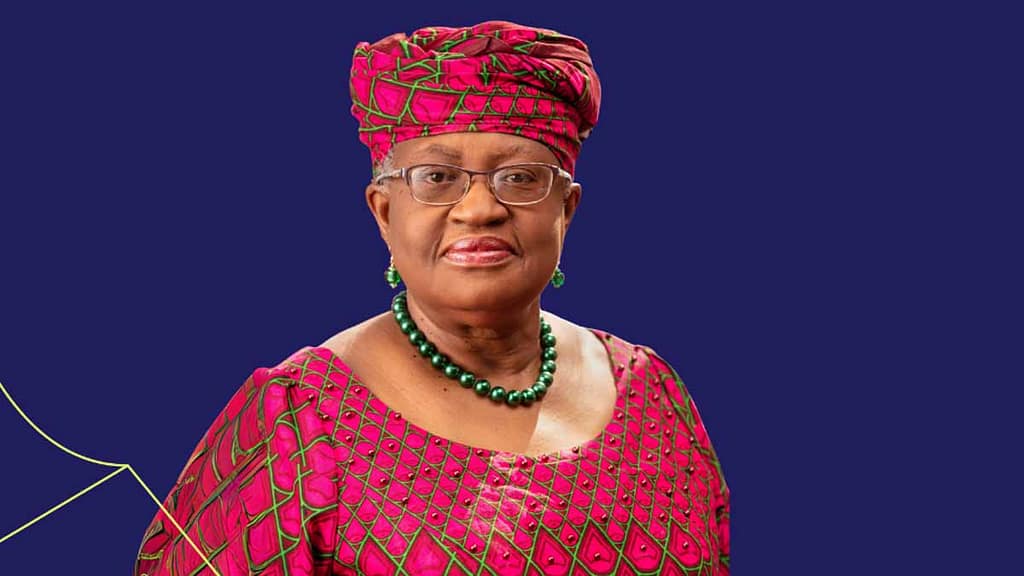
- Field: Global Finance & Trade
- Notable Role: Director-General of the World Trade Organization
- Key Achievement: First African and first woman to lead the WTO
Ngozi Okonjo-Iweala is one of the most powerful figures in global trade and finance. With decades of experience at the World Bank and two terms as Nigeria’s Finance Minister, she famously tackled corruption and wiped out billions in national debt. Her current leadership at the WTO places her at the center of global trade negotiations, making her a vital voice in international economic stability.
2. Ellen Johnson Sirleaf (Liberia)
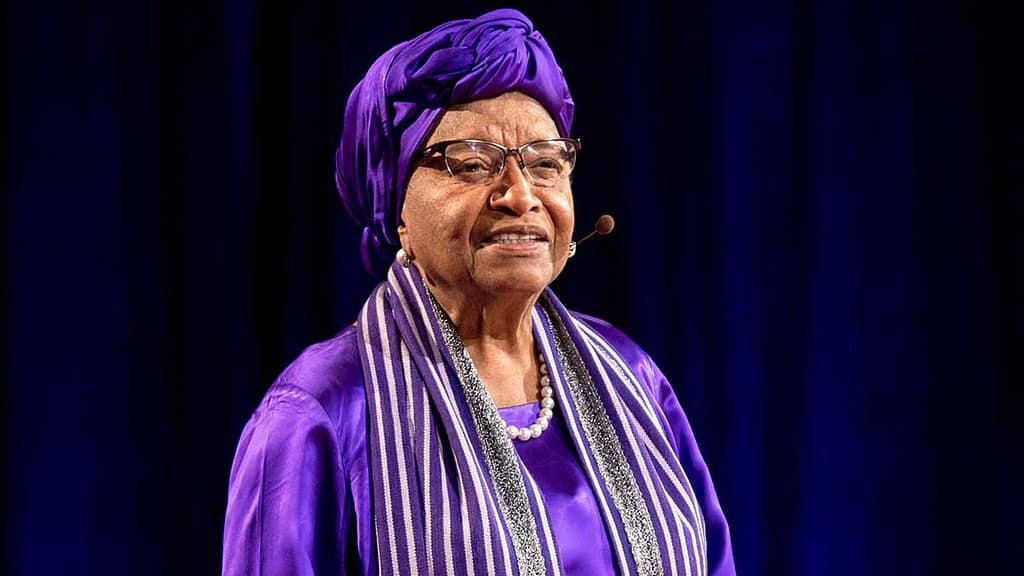
- Field: Politics & Governance
- Notable Role: Former President of Liberia
- Key Achievement: First elected female head of state in Africa
Ellen Johnson Sirleaf is a historic political leader who guided Liberia through a difficult period of post-conflict recovery. Known as the “Iron Lady,” her presidency focused on rebuilding shattered institutions, strengthening democracy, and restoring international investor confidence. Her leadership remains the defining example of political resilience and peacebuilding in West Africa.
3. Fatou Bensouda (The Gambia)
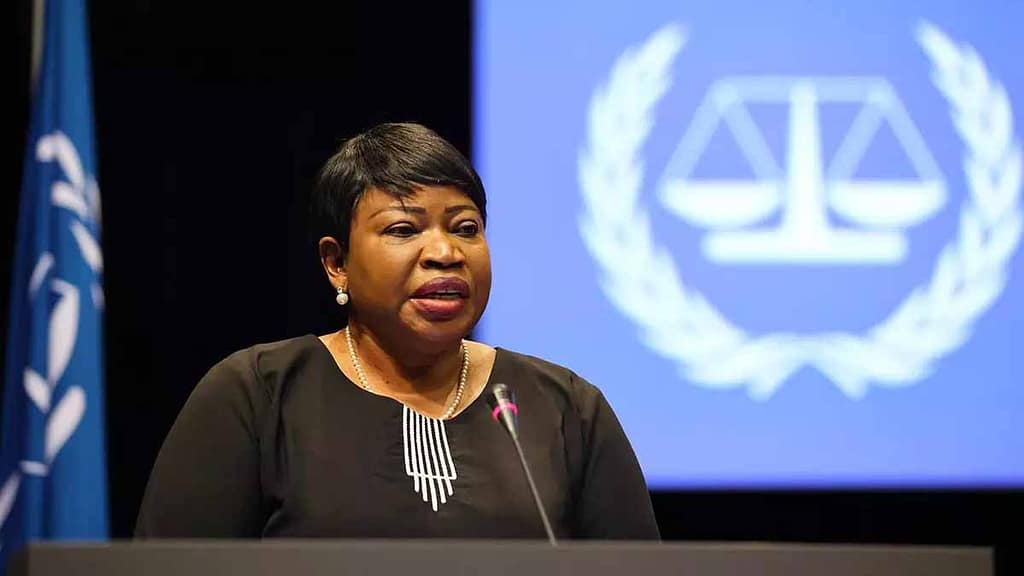
- Field: Law & International Justice
- Notable Role: Former Chief Prosecutor, International Criminal Court
- Key Achievement: Led major international criminal cases at The Hague
Fatou Bensouda is one of Africa’s most respected legal figures. As the Chief Prosecutor of the ICC, she handled complex international cases involving war crimes and human rights violations, often under intense global pressure. Her work has significantly strengthened global justice systems and elevated Africa’s role in international law.
4. Amina J. Mohammed (Nigeria)
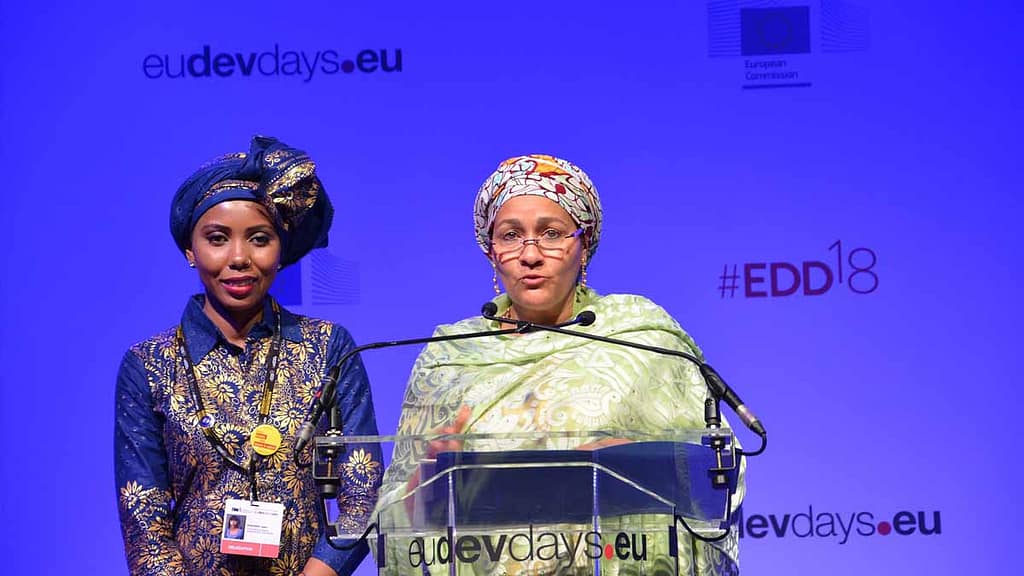
- Field: International Development & Diplomacy
- Notable Role: Deputy Secretary-General of the United Nations
- Key Achievement: Key architect of the Sustainable Development Goals (SDGs)
Amina J. Mohammed has played a monumental role in shaping global development policies for the 21st century. Before her high-ranking UN role, she served as Nigeria’s Minister of Environment. Her leadership continues to influence global strategies on sustainability, climate action, and poverty eradication, making her one of the most impactful diplomats in the world.
5. Arunma Oteh (Nigeria)
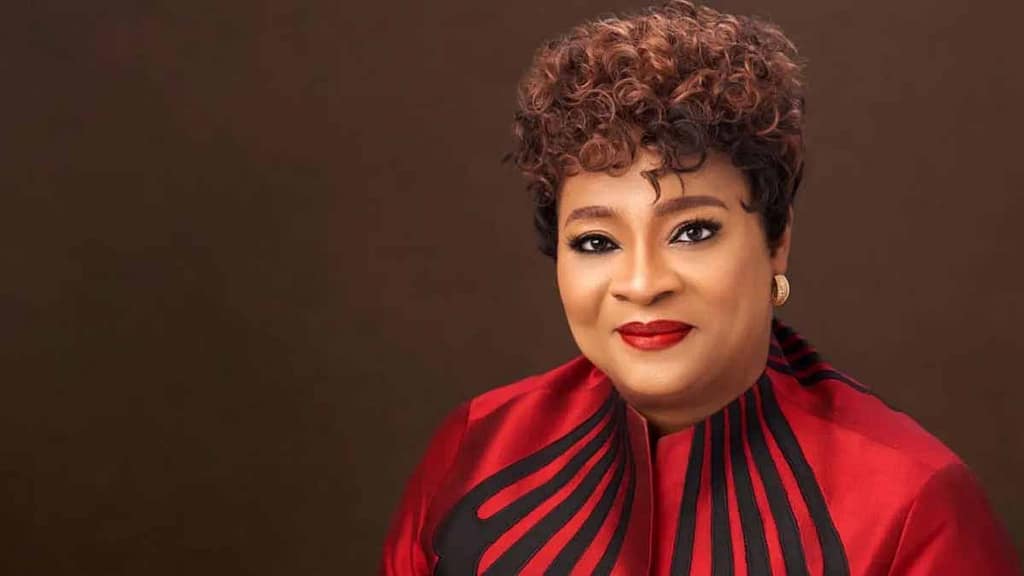
- Field: Finance & Economic Policy
- Notable Role: Former World Bank Treasurer
- Key Achievement: Managed a $200 billion global asset portfolio
Arunma Oteh is a highly respected economist who has broken the glass ceiling in global finance. During her time as Vice President and Treasurer at the World Bank, she managed billions in assets and helped strengthen financial systems across developing nations. Her career reflects how West African women leaders are dominating technical leadership roles on a global scale.
6. Hauwa Ibrahim (Nigeria)
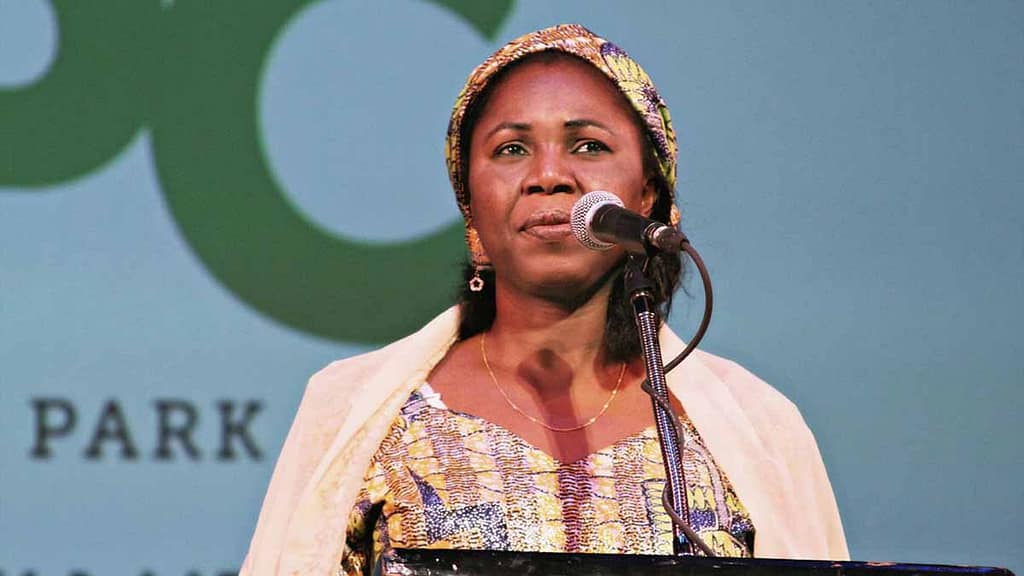
- Field: Human Rights & Law
- Notable Role: International Human Rights Lawyer
- Key Achievement: Winner of the European Parliament’s Sakharov Prize
Hauwa Ibrahim is globally recognized for her pro bono work defending women and children sentenced under Sharia law. Her legal brilliance has brought international attention to human rights issues and gender-based legal inequality. She has also served as a visiting professor at Harvard, bridging the gap between grassroots justice and academic excellence.
7. Finda Koroma (Sierra Leone)
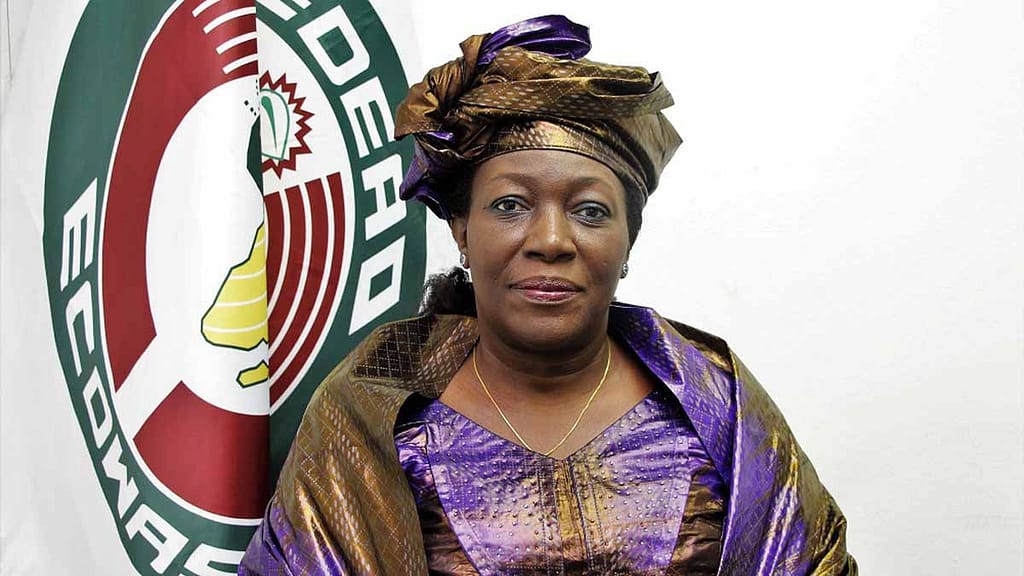
- Field: Diplomacy & Regional Integration
- Notable Role: Former Vice President of the ECOWAS Commission
- Key Achievement: Leader in regional security and economic cooperation
Finda Koroma has been a central figure in West African regional politics. Her work at ECOWAS focused on peace-keeping, regional security, and economic integration among member states. She is a key example of how female leaders are navigating the complex landscape of regional stability and cooperation in West Africa.
8. Dr. Martha Ama Akyaa Pobee (Ghana)
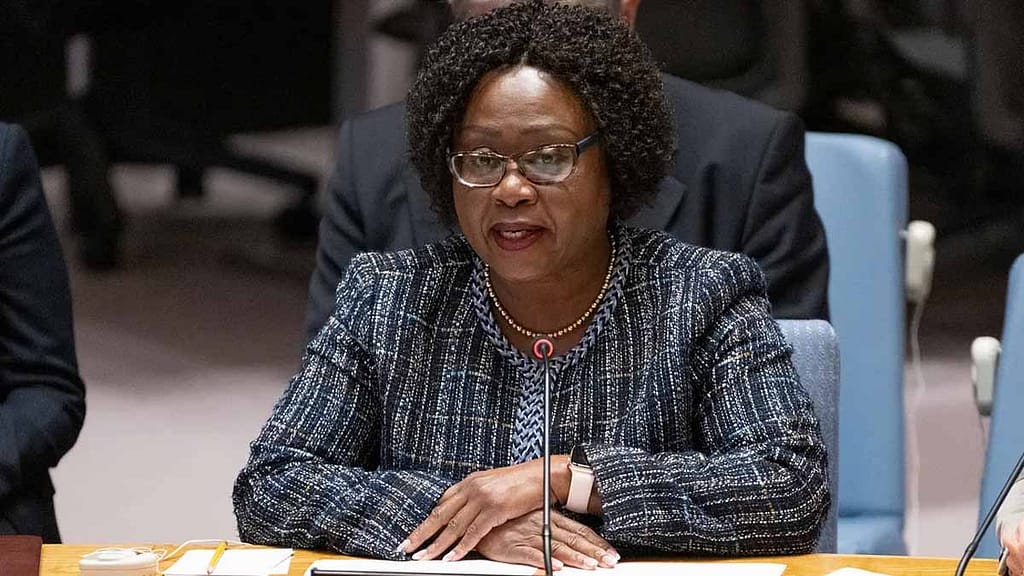
- Field: International Diplomacy
- Notable Role: UN Assistant Secretary-General for Africa
- Key Achievement: First female Permanent Representative of Ghana to the UN
Dr. Martha Pobee is a career diplomat who has spent decades representing African interests in global forums. In her current role at the UN, she oversees political and peacebuilding affairs across the continent. Her expertise in conflict resolution makes her an essential leader in maintaining peace throughout the West African sub-region.
9. Oby Ezekwesili (Nigeria)
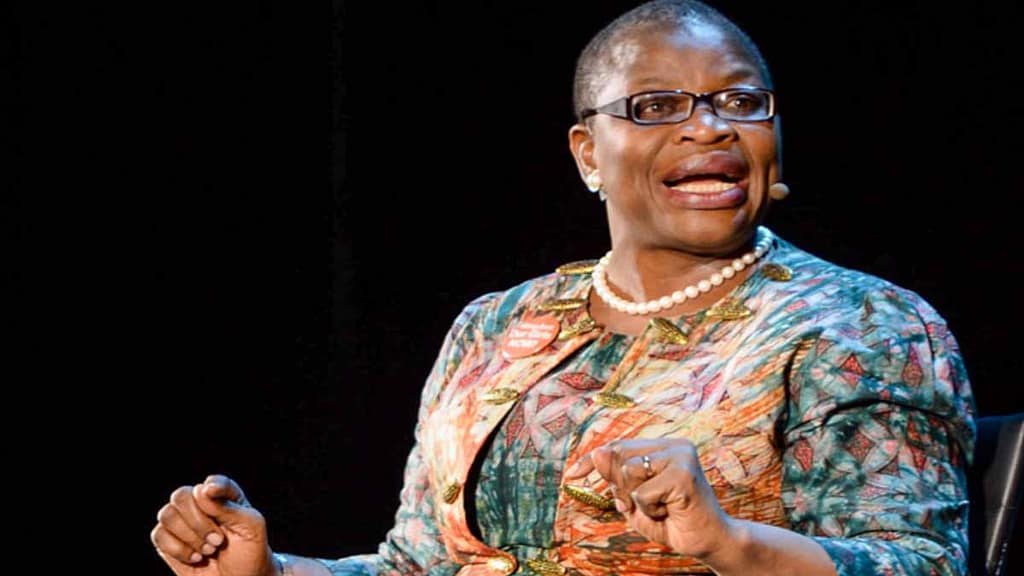
- Field: Economic Policy & Activism
- Notable Role: Former World Bank Vice President
- Key Achievement: Co-founder of Transparency International
Oby Ezekwesili, often called “Madam Due Process,” is a titan of transparency and accountability. Beyond her roles in government and the World Bank, she is a world-renowned activist, famously co-founding the #BringBackOurGirls movement. Her influence combines high-level economic policy with powerful grassroots advocacy.
10. Patricia Obo-Nai (Ghana)
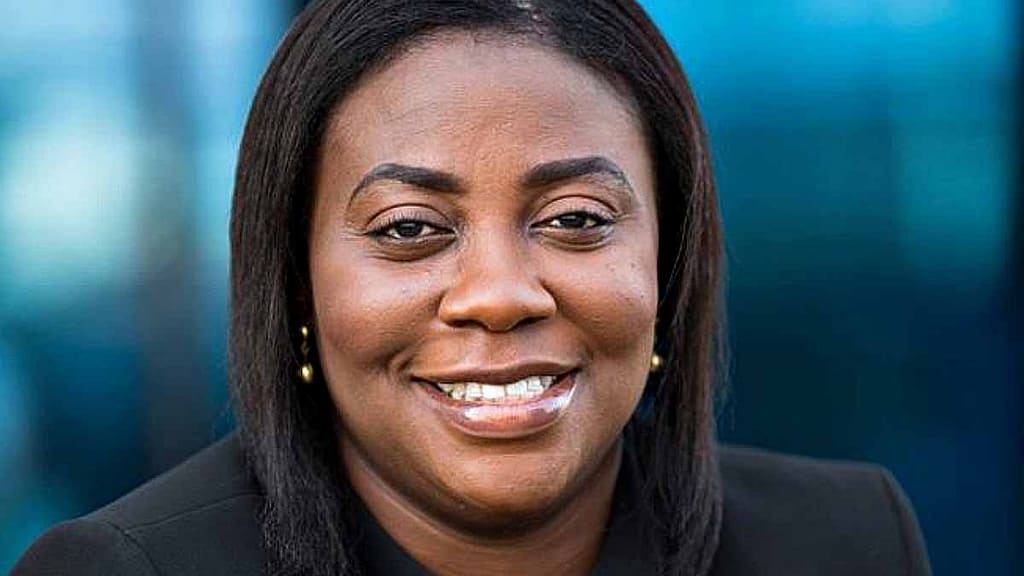
Field: Business & Technology Leadership
Notable Role: CEO of Vodafone Ghana
Key Achievement: Leading digital transformation in Ghana’s telecom sector
Patricia Obo-Nai is one of the leading figures in corporate leadership in West Africa, driving innovation within Ghana’s telecommunications industry. As CEO of Vodafone Ghana, she has played a key role in expanding digital services, improving connectivity, and supporting the country’s transition into a more digitally-driven economy.
Her leadership highlights the growing influence of women in technology and business across Africa. By bridging the gap between innovation and accessibility, she is helping shape the future of digital transformation in West Africa while inspiring a new generation of female leaders in the corporate space.
11. Zainab Ahmed (Nigeria)
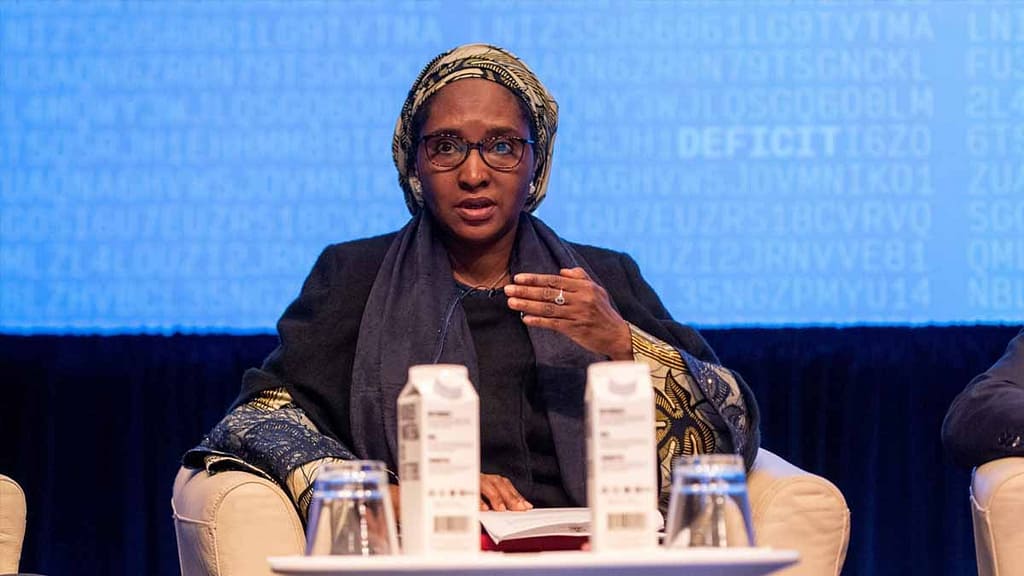
- Field: Public Finance & Governance
- Notable Role: Former Minister of Finance, Budget and National Planning
- Key Achievement: Managed Africa’s largest economy during global crises
Zainab Ahmed was at the helm of Nigeria’s economy during one of the most turbulent periods in recent history. Her leadership in managing national budgets and navigating the economic fallout of global pandemics showed a high level of technical expertise and resilience in public service.
12. Kemi Adeosun (Nigeria)
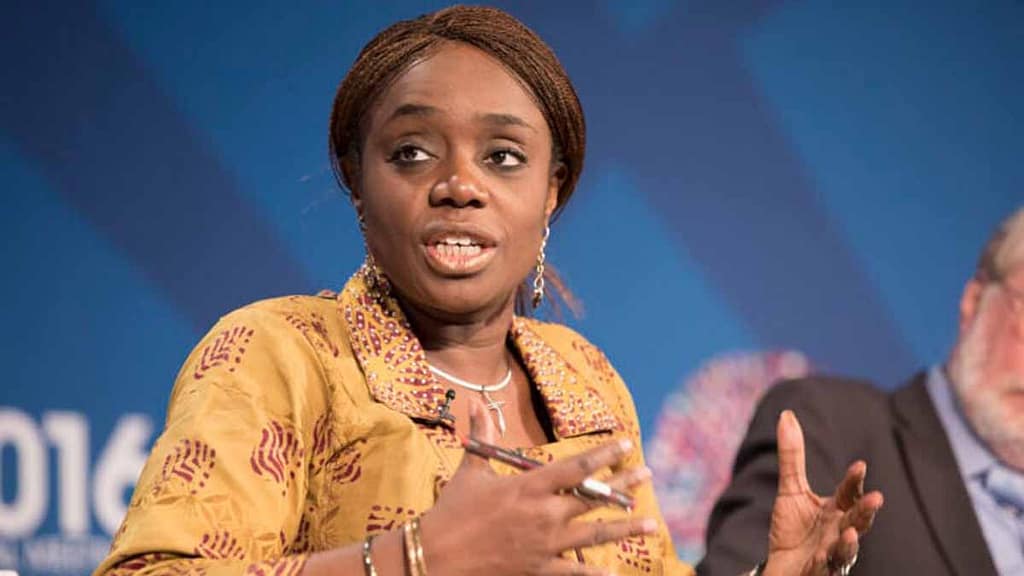
Field: Public Finance & Economic Policy
Notable Role: Former Minister of Finance of Nigeria
Key Achievement: Led major fiscal reforms and efficiency initiatives
Kemi Adeosun played a critical role in shaping Nigeria’s economic policy during her tenure as Minister of Finance. She introduced key reforms aimed at improving government efficiency, increasing transparency, and strengthening public financial management. Her leadership came at a time when Nigeria faced significant economic challenges, requiring strategic decision-making and fiscal discipline.
Her work in stabilizing Africa’s largest economy positioned her as one of the most influential figures in West African economic governance. Through her focus on accountability and reform, she demonstrated how strong financial leadership can drive national development and long-term economic resilience.
Why Female Leadership is Rising in West Africa
The rise of West African women leaders is driven by a strong tradition of market entrepreneurship and a growing emphasis on high-level education. As more women enter the fields of law and finance, the “old boys’ club” of regional politics is being replaced by a more inclusive, merit-based system.
Conclusion
West African women leaders are not just placeholders; they are the primary architects of the region’s modernization. From global trade centers to grassroots legal battles, their influence is reshaping West Africa’s global image and inspiring a new generation to lead with integrity.
Read Next: